
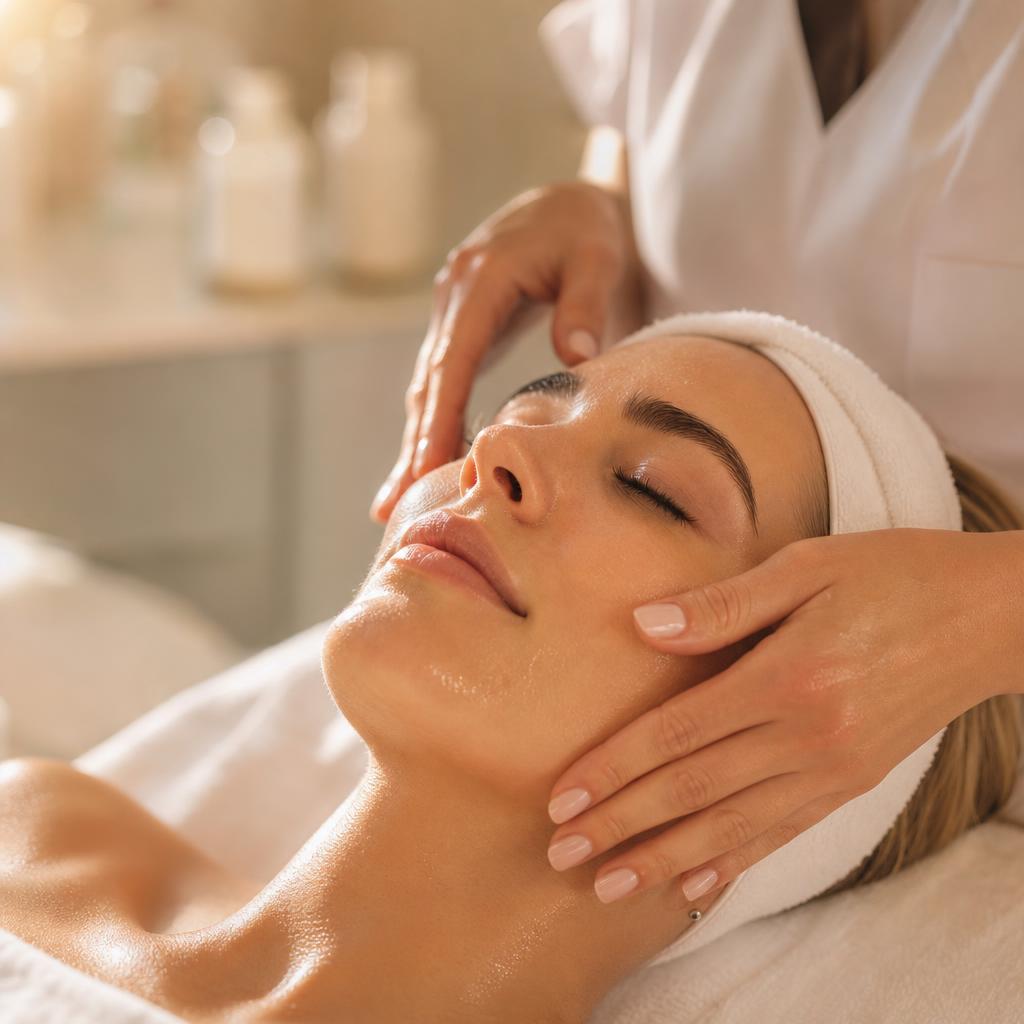
A treatment page should explain the service clearly and help a patient understand the next decision. We check search intent, factual accuracy, clinical review, local availability, and the consultation path together. This checklist separates the content team’s tasks from information that requires a qualified provider’s approval.
Before using this checklist, note the most important distinction: SEO quality and clinical review are separate gates. An SEO team can optimize a page's structure, keyword placement, schema markup, and internal links. Only a licensed provider can verify that treatment claims are accurate, appropriately qualified, and aligned with cleared indications. Both gates must open before a treatment page publishes. See the content strategy pillar for governance framework guidance.
Phase 1, Search Intent Alignment
Before writing a word, confirm that the page is targeting the right keyword and intent. A treatment page should target a transactional keyword, a query from a patient who has decided they want this treatment and is choosing a provider, not a patient who is still researching whether the treatment exists.
Keyword and intent checklist
- ✓ Identify the primary transactional keyword: "[Treatment] [City]" or "[Treatment] near me [City]"
- ✓ Confirm no other page on your site already targets this primary keyword (keyword cannibalization check)
- ✓ Identify two to four secondary keywords: "[Treatment] cost [City]," "[Treatment] before after [City]," "best [Treatment] [City]"
- ✓ Review the top three competing pages for this keyword: what questions do they answer that you must also answer?
- ✓ Determine which patient questions belong on this page versus a supporting blog article (separate intent = separate page)
Phase 2, Page Structure and On-Page SEO
Structure communicates intent to both readers and search engines. The hierarchy should be consistent across all treatment pages so returning patients can navigate the site predictably.
Structure checklist
- ✓ H1: Contains the primary keyword, reads naturally, conveys the page's purpose in one clause
- ✓ Title tag: 50–60 characters, primary keyword near the front, clinic name at the end separated by a dash or pipe
- ✓ Meta description: 140–155 characters, includes primary keyword, describes the value proposition, invites a click
- ✓ URL slug: Short, descriptive, lowercase, hyphenated:
/services/botox-city-name - ✓ First 100 words: Primary keyword appears naturally; the page's purpose is clear without scrolling
- ✓ H2 headings: Each covers a distinct content section; at least one H2 includes a secondary keyword
- ✓ Images: At least one relevant image with a descriptive, keyword-inclusive alt text; file name is not "image1.jpg"
- ✓ Breadcrumb: Visible breadcrumb trail and BreadcrumbList structured data markup
Phase 3, Content Anatomy
A treatment page should answer every question a qualified patient has before deciding to book. Not every answer needs to be long, but none can be absent. The following seven sections are non-negotiable for a complete treatment page.
3.1 What Is This Treatment?
A concise, accurate description of the treatment in plain language, what it does, not just what it is called. Avoid jargon that assumes the reader already knows the category. Reference the device manufacturer or cleared indication if relevant. This section is typically two to three paragraphs.
3.2 Who Is a Good Candidate?
Ideal candidacy criteria, written as guidance rather than a guarantee. "Most patients who [description] are good candidates. If you have [contraindication], a consultation will help determine whether this treatment is appropriate." This section protects both the patient and the clinic by setting realistic expectations and directing edge cases toward the consultation rather than toward a self-assessment.
3.3 What Does the Process Involve?
A step-by-step overview: consultation, preparation, the treatment session itself, and immediate post-treatment steps. Patients who know what to expect have higher satisfaction rates and fewer objections at the booking stage. This is also a differentiation opportunity, describe your clinic's specific protocol where it adds genuine value.
3.4 What Results Are Realistic?
This section requires clinical review before it publishes. Outcome claims should be qualified, attributed where possible to manufacturer data or peer-reviewed literature, and never presented as guarantees. Absolute claims, "permanently eliminates fat," "completely removes wrinkles", create accuracy and compliance risk. Treatment-page copy may be treated as advertising; clinics should have counsel review the rules that apply in their jurisdictions.
3.5 Downtime and Aftercare
What patients should expect in the hours, days, and weeks after treatment. Expected temporary side effects (redness, swelling, sensitivity) are appropriate to describe if they are normal and predictable. Unusual adverse effects should be flagged with instruction to contact the clinic rather than listed as routine outcomes. Aftercare instructions should be practical and specific.
3.6 Pricing Context
Patients searching "[Treatment] price [City]" are high-intent and close to booking. Refusing to address price on a treatment page sends those patients to competitors who do. You do not need to publish a fixed price list, pricing varies by individual treatment plans, but providing a realistic range, a per-unit or per-area structure, or an explanation of what factors affect pricing converts better than "contact us for pricing" with no context at all.
3.7 FAQs
Five to eight genuine patient questions, each answered concisely. Write these from actual patient inquiries, not from keyword tools alone. Add FAQPage schema markup so the questions are eligible for rich results. Ensure every FAQ answer is accurate and has been reviewed for clinical claims. The FAQ section is also where you can address concerns that might prevent a booking, side effect fears, downtime concerns, cost objections, and resolve them honestly.
Phase 4, Clinical Review Gate
This phase is separate from the SEO review for a reason. SEO and editorial quality can be assessed by the content team. Clinical accuracy requires a licensed provider. The two should not collapse into one step.
Clinical review checklist
- ✓ All outcome language is appropriately qualified (no absolute promises)
- ✓ Treatment description aligns with the device's cleared indications
- ✓ Candidacy criteria are not so broad that they contraindicate known exclusions
- ✓ Side effects listed are consistent with what the clinic's patients typically experience
- ✓ Before-and-after images include appropriate disclosures per state medical board rules
- ✓ The reviewing provider's name and credentials are visible on the page (as author or reviewer)
- ✓ No medical advice is given as though Prova Haus (or the content publisher) were the treating provider
Phase 5, Technical and Structured Data
- ✓ Page loads in under 2.5 seconds on mobile (Core Web Vitals check)
- ✓ Service or MedicalProcedure schema added where the treatment description supports it
- ✓ FAQPage schema matches the visible FAQ content exactly, no schema-only claims
- ✓ BreadcrumbList schema matches the visible breadcrumb trail
- ✓ Canonical tag is self-referencing (or correctly points to the canonical URL for location variants)
- ✓ Page is crawlable: no accidental noindex tag, no robots.txt exclusion
Phase 6, Internal Links and Conversion Path
- ✓ At least one contextual link from an existing blog post or pillar article points to this page
- ✓ The page links contextually to the relevant cluster pillar and to one or two related treatment pages
- ✓ Primary CTA is a consultation booking form or phone number, above the fold and again at the end of the page
- ✓ Secondary CTA links to a results gallery or patient experience page for patients who need one more trust signal
- ✓ No external links to competitor sites; external links, if any, go to manufacturer or clinical reference sources
We use the same reviewed answers for people arriving from Google or an AI response. See how medspa SEO management supports treatment-page improvements.